
Sleep Strategies for Night Workers: Your Guide to Better Rest
Discover the science behind night work sleep challenges and learn evidence-based strategies to improve your rest. We’ll cover a range of topics and provide practical solutions to help you achieve better sleep quality and overall well-being as a night worker.
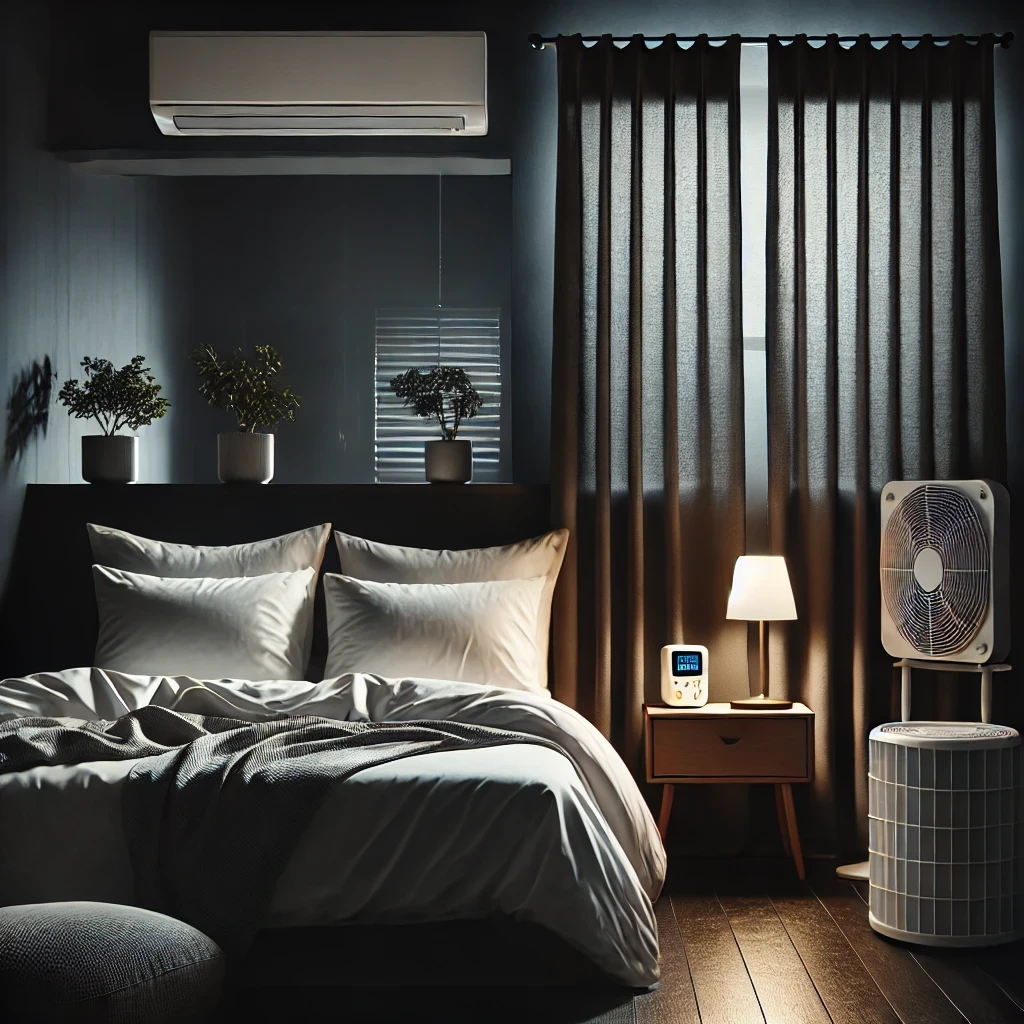
Getting enough sleep as a night worker is hard. Your body wants to be awake when you need to sleep. Light and noise make it harder. And no one around you quite gets it.
But poor sleep isn’t something you just have to accept. With the right night shift sleep schedule and a few key strategies, you can get real, restorative rest — even during the day.
This guide breaks down the science behind your sleep challenges and gives you practical steps to fix them.
Why Night Work Disrupts Your Sleep
Your body runs on a roughly 24-hour internal clock called the circadian rhythm. It controls:
- When you feel awake or sleepy
- Hormone production — especially melatonin and cortisol
- Body temperature
- Digestion
Night work creates a mismatch between your work schedule and that internal clock. This is called circadian misalignment — and it’s the root cause of most sleep problems night workers face.
The numbers back this up. Among night shift workers:
- 61.8% experience short sleep (less than 7 hours)
- 30.7% report poor sleep quality
- 18.5% have insomnia
Compare those to the general worker population, where the rates are 37.6%, 19.2%, and 8.8%, and it’s clear that night workers face a much harder sleep challenge.
How Light Affects Your Rest
Light is the most powerful signal your body uses to know when to sleep and when to wake up.
When your eyes detect light, your body reacts in three key ways.
1. Melatonin Gets Suppressed
Melatonin is your sleep hormone. Light — especially sunlight — shuts off melatonin production. When you drive home after a night shift in daylight, your body reads that as “time to be awake.” Falling asleep gets much harder.
2. Cortisol Goes Up
Cortisol is your wake hormone. Light causes cortisol to rise, which boosts alertness. That’s great at 7 AM for a day worker — but not for you when you’re trying to wind down after a shift.
3. Your Body Temperature Stays Elevated
Your core temperature naturally drops when you’re ready to sleep. Light keeps it elevated. A warm body is a body that isn’t ready for sleep.
What to do: Wear blue-light blocking glasses on your commute home. Dim your lights when you get in. Avoid screens before bed. These steps allow melatonin to rise naturally — even during the day.
Sleep Stages and What You’re Missing
Sleep happens in 90-minute cycles. Each cycle moves through:
- Light sleep (N1 and N2)
- Deep sleep (N3)
- REM sleep
Deep sleep handles physical repair. REM sleep handles memory and mood. Night workers often get short-changed on both.
Here’s why: The body’s urge to sleep peaks in the early morning hours — right when many night workers are finishing their shift. By the time they get home, that window is already passing. Plus, daytime sleep is lighter, noisier, and more often broken.
Research shows that on average, night shift workers get only 4.2 hours of sleep after their last night shift — far short of the 7–9 hours most adults need.
Over time, this builds into sleep debt. Sleep debt raises the risk of obesity, diabetes, heart disease, and more.
Build the Right Sleep Environment
Where you sleep matters as much as when. A proper sleep environment is essential for daytime sleep.
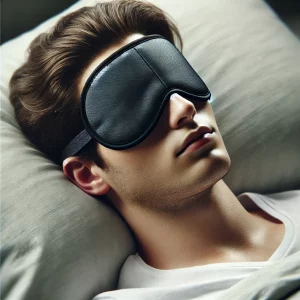
Block Out All Light
Invest in blackout curtains that block 99–100% of light. Add a sleep mask as backup. Even small LED lights from electronics can disrupt sleep. Cover them too.
Why it works: Complete darkness triggers melatonin production. You’re telling your body it’s nighttime — even if the sun is blazing outside.
Control the Temperature
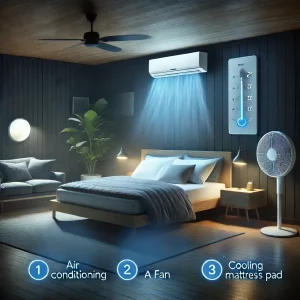
Keep your room between 60–67°F (15–19°C). Use a fan, air conditioning, or cooling bedding. Light, breathable fabrics help too.
Why it works: Your body temperature naturally drops when you fall asleep. A cool room supports that process.
Reduce Noise
Use a white noise machine to mask daytime sounds. Try earplugs with a high noise reduction rating. Let your household know which hours need to be quiet.
Why it works: Random noises cause micro-awakenings that break your sleep cycles. Consistent background sound smooths that out.
Night Shift Sleep Schedule: How to Structure Your Rest
Consistency is the most powerful tool for your night shift sleep schedule. Your body adapts to patterns. When your sleep and wake times are predictable, falling asleep gets easier.
Set Fixed Sleep and Wake Times
Pick a sleep window and stick to it — even on days off. Shifting back to a daytime schedule on your days off is tempting. But it resets your clock and makes the return to nights harder.
Build a Wind-Down Routine
Start winding down 60 minutes before you plan to sleep. This might look like:
- Dim the lights when you get home
- Take a warm shower
- Avoid screens
- Do light stretching or breathing exercises
Why it works: Your brain learns to connect these cues with sleep. Over time, the routine itself signals that rest is coming.
Use Your Shift Hours Strategically
Expose yourself to bright light (at least 1000 lux) at the start of your shift. This tells your body that “nighttime” (for you) starts now. Light therapy lamps are effective tools for this.
12-Hour Night Shift Sleep Schedule Example
A 12-hour night shift (for example, 7 PM to 7 AM) leaves you little room for error on sleep. Here’s a sample schedule that works:
- 7:00 AM — Shift ends. Put on blue-light blocking glasses. Drive or commute home.
- 7:30 AM — Arrive home. Eat a light meal. Dim the lights.
- 8:00 AM — Begin wind-down routine (shower, dim lights, no screens).
- 8:30 AM — In bed with blackout curtains closed. Aim to be asleep by 9:00 AM.
- 9:00 AM — Sleep begins.
- 5:00 PM — Wake up (8 hours of sleep).
- 5:00–6:30 PM — Light activity, meal, and preparation for the shift.
- 6:30 PM — Begin pre-shift routine. Bright light exposure.
- 7:00 PM — Next shift begins.
On days off: Try to stay on a similar schedule. If you want to shift slightly earlier, do it gradually — no more than 1–2 hours per day.

Advocate for Better Sleep Support at Work
You deserve a workplace that supports your health. Here’s how to advocate for it:
- Talk to your supervisor or HR. Share what you’ve learned about night shift sleep challenges. Point them to resources like NightOwling.com.
- Request a rest area. Even a quiet room for short breaks can help.
- Suggest better lighting for your workspace. Proper shift lighting supports alertness and circadian adjustment.
- Ask about a sleep health program. Some companies offer these. Others just haven’t thought about it yet.
A rested workforce is a safer, more productive one. That’s good for everyone.
How NightOwling Helps Night Workers Sleep Better
At NightOwling, we build tools and resources made for the night shift lifestyle.
We offer:
- Personalized sleep improvement plans based on your schedule and challenges
- Expert-created content on sleep science for night workers
- Community support from people who understand the night shift life
- Tools to optimize your sleep environment and daily habits
You’ve already taken the first step by reading this. Let’s keep going together. Visit NightOwling.com to explore your next steps.
FAQs: Sleep Strategies for Night Workers
What is the best night shift sleep schedule?
The best night shift sleep schedule is a consistent one. Sleep at the same time every day, even on days off. Most night workers do best sleeping right after their shift. Blackout curtains, a cool room, and a wind-down routine help you fall asleep faster and stay asleep longer.
How do I build a 12-hour night shift sleep schedule?
If your shift runs from 7 PM to 7 AM, aim to be asleep by 9:00 AM and wake by 5:00 PM. This gives you 8 hours of sleep and time to prepare before your shift. Use blackout curtains and limit light on your commute home to fall asleep faster.
Why can’t I sleep after my night shift even when I’m exhausted?
Light is usually the culprit. Morning sunlight on your commute home suppresses melatonin — the hormone that triggers sleep. Wearing blue-light blocking glasses and keeping your home dark can help. A consistent wind-down routine also trains your brain to shift into sleep mode.

